
The task of of keeping a family active is more a more significant challenge than ever. Between the allure of high-definition gaming and the sedentary nature of office and school work, the “active family” often feels like an endangered species. However, physical movement is not merely a box to check for health; it is the glue that binds a family together. When we move together, we communicate better, laugh more, and build a reservoir of shared memories that last far longer than any high score on a screen.
The secret to maintaining this momentum isn’t found in a grueling gym membership or a rigid, uninspiring routine. Instead, it lies in embracing the natural rhythm of the seasons. Each shift in the weather offers a unique opportunity to try something new, explore different terrains, and engage different muscle groups. By viewing the calendar as a rotating menu of adventures, you ensure that fitness never feels like a chore. This guide is designed to help you navigate those seasonal transitions, providing practical strategies and creative ideas to keep your loved ones moving from the first thaw of spring to the deepest frost of winter.
Spring Mobility and Discipline
Spring is the season of renewal. As the mud dries and the first green shoots appear, there is a natural instinct to shed the heavy layers of winter and get the blood pumping. This is the ideal time to focus on mobility and the joy of exploring your local surroundings as they come back to life.
Getting Back on Two Wheels
One of the most effective ways to cover ground and see the beauty of the blooming landscape is through cycling. However, families often face the “fitness gap,” where younger children or less-active parents struggle to keep up with the enthusiasts. This is where modern technology has changed the game for family outings. Integrating e bikes into your family fleet allows everyone to maintain a consistent pace, regardless of the incline or distance. These assisted cycles level the playing field, making a twenty-mile trek through a state park feel accessible rather than intimidating.
- Safety Check: Use the first warm weekend to inspect tires, brakes, and chains.
- Plan the Route: Look for “Rails-to-Trails” paths which offer flat, scenic, and car-free environments.
- Pack for Success: Spring weather is unpredictable; always carry light waterproof layers and extra water.
Establishing Indoor Foundations
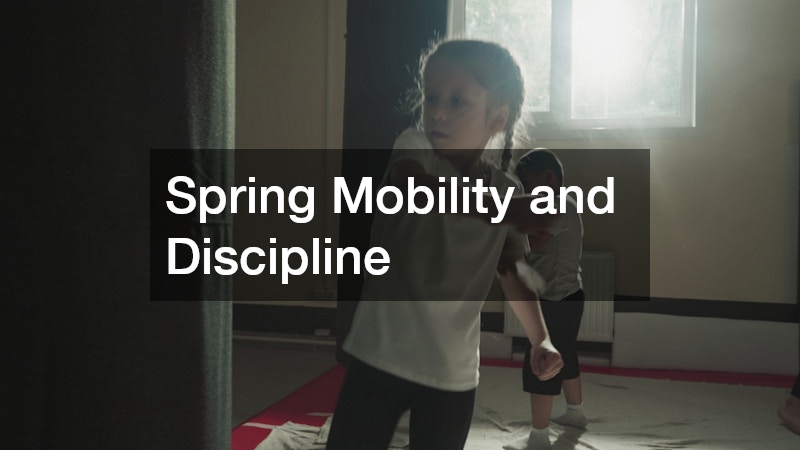
While the outdoors beckons, spring showers often force us back inside. Rather than retreating to the couch, use this time to enroll the kids in structured activities that build lifelong physical skills. Many parents find that karate classes are the perfect spring supplement. Beyond the obvious cardiovascular benefits, martial arts teach balance, coordination, and discipline—traits that translate directly into better performance in summer sports. It provides a reliable, high-energy outlet twice a week that doesn’t depend on a clear sky.
Aquatic Adventures and Sun-Drenched Fun
When the thermometer climbs, the strategy for family fitness shifts toward the water. Summer is the peak season for high-intensity activity because the cooling effect of water allows us to exert ourselves for longer periods without overheating.
The Backyard Training Ground
For many families, the home is the hub of summer activity. Having a water feature at home is a luxury that requires diligent care to remain a safe fitness tool. Utilizing professional swimming pool services ensures that the chemical balance and filtration systems are peak-performing, allowing your family to use the pool for more than just wading.
- Pool Games for Fitness: Instead of just lounging, organize games of water polo or “shark and minnows” to get heart rates up.
- Lap Swimming: Encourage older children to set a “lap goal” each morning before the heat of the day sets in.
- Safety First: Ensure all family members are refreshed on water safety rules at the start of the season.
Exploring Open Water
If you can head to a local lake or the coast, the opportunities for core-strengthening activities expand exponentially. Standing on a paddleboard is one of the best full-body workouts available, requiring constant micro-adjustments in the legs and core to maintain balance while the arms and back handle the propulsion. It’s a meditative yet demanding way to explore coves and coastlines that are inaccessible by larger boats.
Navigating the Transition Back to Routine
As the leaves turn and the school year begins, the primary obstacle to family fitness is no longer the weather—it’s the schedule. The transition from the freedom of summer to the rigidity of the academic calendar can often lead to a “fitness slump.”
Strategic Scheduling
The key to a healthy autumn is intentionality. With parents back at work and kids in the classroom, the window for movement narrows. Many families find success by vetting after school care services based on their physical activity curriculum. Choosing a program that emphasizes outdoor play, organized sports, or “active hours” ensures that your child isn’t sitting for another three hours after a long day at a desk.
- The “Walk-to-School” Club: If distance allows, use the crisp morning air to walk or bike to school.
- Weekend Hikes: Use the changing foliage as a motivator for weekend morning trail runs.
- Active Homework Breaks: Every 30 minutes of study should be met with 5 minutes of jumping jacks or stretching.
The Social Side of Fall Fitness
Fall is also a season of community. High school football games, cross-country meets, and local 5Ks are everywhere. After a long Saturday of hiking or a morning spent cheering from the sidelines, your family needs a place to refuel and decompress. A trip to a local pizza place might seem like a simple indulgence, but it serves as a vital “social anchor” for the family. It’s a space to discuss the day’s achievements and plan the next day’s adventures, keeping the family’s spirit high even as the days grow shorter.
Conquering the Cold and Finding Space
Winter is often the “danger zone” for family health. The cold air and early sunset provide easy excuses to stay sedentary. However, winter movement is essential for combating seasonal blues and maintaining the metabolic fire.
High-Intensity Winter Play
Cold weather activities often burn more calories because the body is working to maintain its internal temperature. Sledding is a prime example of a “stealth workout.” While the ride down is thrilling, the trek back up the hill is a grueling leg and cardio session. If you don’t own your own gear or are traveling to a mountainous region, seeking out snow sleds rentals is a cost-effective way to turn a snowy afternoon into a high-octane workout for the entire family.
Utilizing Large Indoor Spaces
When the “Polar Vortex” hits and outdoor activity becomes unsafe, you have to look for creative indoor solutions. Many communities have large-scale facilities that are underutilized during the day. Sometimes, a local banquet hall can be rented for a few hours for a neighborhood “indoor field day,” providing a massive, climate-controlled space for kids to run, play tag, or set up obstacle courses when the local parks are buried in three feet of snow.
- Indoor Track Days: Check local community centers for indoor walking or running tracks.
- Mall Walking: It’s an old-school tactic, but a brisk 45-minute walk through a large shopping center is a great way to get steps in without needing a parka.
Celebrating Milestones with Movement
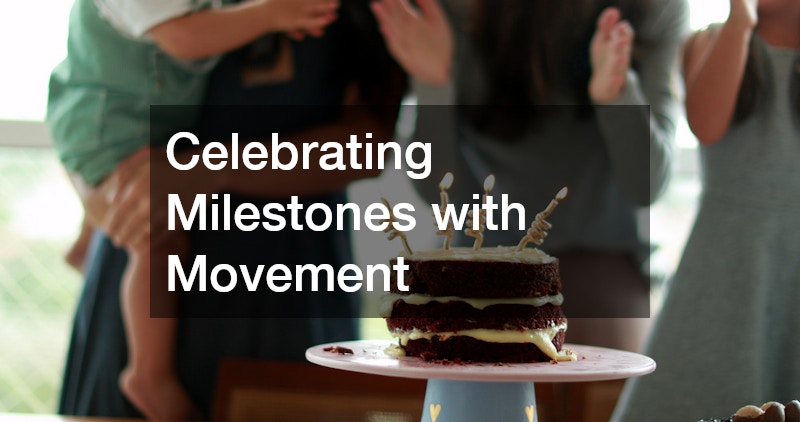
A truly active family doesn’t just “exercise” together; they celebrate together through movement. Traditional celebrations often revolve around sitting at a table and eating heavy meals. By flipping this script, you reinforce the idea that fun and activity are synonymous.
Planning Active Events
When a big milestone like a graduation or a significant anniversary comes up, think about the logistics of the celebration. Engaging a professional catering business allows you to delegate the food preparation so you can focus on the event’s activities. You can request a “fuel-focused” menu with lean proteins and complex carbohydrates that will keep your guests energized for the dancing or games you have planned, rather than leaving them in a “food coma.”
- Dance-Offs: Hire a DJ who specializes in interactive games rather than just background music.
- Interactive Stations: Instead of a buffet line, have different “activity stations” around your venue.
Rethinking the Typical Birthday
The most impactful way to change a child’s perspective on health is through their birthday. Instead of the standard movie theater outing, look for birthday party ideas that require participation. This could be anything from a “Ninja Warrior” course to a glow-in-the-dark dance party or a private session at a climbing gym. When children see their friends and family sweating and laughing together to celebrate their birth, it cements a positive association with physical exertion that can last a lifetime.
Building a Sustainable Family Culture
Achieving a 3,000-word depth of understanding regarding family fitness requires looking beyond the “what” and “where” and focusing on the “how.” How do you make this stick? How do you ensure that these seasonal activities don’t just happen once, but become part of your family’s DNA?
1. Lead by Example
Parents are the primary influencers of their children’s habits. If you complain about the cold or moan about having to go for a walk, your children will mirror that resistance. If you approach an afternoon of shoveling snow or a rainy-day yoga session with a sense of humor and enthusiasm, they will follow suit. Your own engagement with activities like cycling or martial arts shows them that fitness isn’t something you “age out of.”
2. Focus on “Play” over “Work”
The word “exercise” has a clinical, sometimes negative connotation. Children, in particular, are wired for play. A game of tag is a sprint workout. A scavenger hunt is a long-distance walk. Building a fort in the woods is a functional strength session. By framing these activities as games and adventures, you remove the mental barrier of “working out.”
3. Equipment Accessibility
Keep your gear ready. If the bikes are buried under a pile of boxes in the garage, you won’t use them. If the sleds are in the attic behind the holiday decorations, you’ll skip the hill. Create a “Family Action Station” in your mudroom or garage where seasonal gear is cleaned, organized, and ready to go at a moment’s notice.
4. Community and Social Proof
Family fitness shouldn’t happen in a vacuum. Connect with other families who share your values. Organize neighborhood bike rides, join a family-friendly hiking club, or participate in community “fun runs.” Having a social circle that prioritizes movement provides the accountability and “social proof” that children need to feel that their active lifestyle is normal and desirable.
5. Nutrition as the Engine
An active family requires high-quality fuel. Use your seasonal transitions to also transition your kitchen.
- Spring/Summer: Focus on hydrating fruits, crisp salads, and light proteins.
- Fall/Winter: Shift toward hearty stews, roasted root vegetables, and warm, nutrient-dense grains. Teach your children that food is the “gas in the tank” that allows them to go on the adventures they love.
The Infinite Season

The journey toward a consistently active family life is not a sprint; it is a marathon that changes pace and scenery every few months. By leaning into the unique offerings of each season—whether it’s the high-tech assist of a bike on a spring trail, the core-strengthening challenge of a summer lake, or the sheer joy of a winter sledding hill—you transform the concept of health from a chore into a grand adventure.
The goal isn’t perfection. There will be rainy days where the best you can do is a dance party in the living room, and there will be busy weeks where “active” simply means a brisk walk to the local shop. But by staying intentional and utilizing the resources in your community—from professional services that maintain your home to local businesses that host your celebrations—you create a supportive environment where health can thrive.
Ultimately, these moments spent moving together are the ones your children will look back on with the most fondness. They won’t remember the hours spent in front of a screen, but they will remember the time the whole family conquered a steep hiking trail, the afternoon spent splashing in a well-maintained pool, and the cold winter mornings spent laughing on a snowy hill. Stay active, stay curious, and embrace the season you are in. Your family’s health—and your bond—will be all the stronger for it.