
Raising a child from their very first steps to the day they walk into a college classroom is one long, winding journey made up of countless small decisions. Every stage brings its own questions, its own milestones, and its own worries. Parents often find x juggling school choices, health appointments, extracurricular schedules, and long-term planning all at once, wondering if they are getting it right. Navigating this path requires balancing immediate needs with a vision for your child’s future independence. By breaking down each phase into actionable steps, you can cultivate an environment where both you and your child thrive. The truth is that there is no single formula for success, but there are patterns that tend to help families move through each phase with more confidence and less stress. This article walks through the major stages of a child’s development, from the earliest years of learning through the final push toward higher education, offering practical guidance along the way. Whether your child is just starting to talk or is preparing to fill out college applications, understanding what to expect and how to prepare can make the entire process feel far more manageable.
Building Strong Foundations in Early Learning
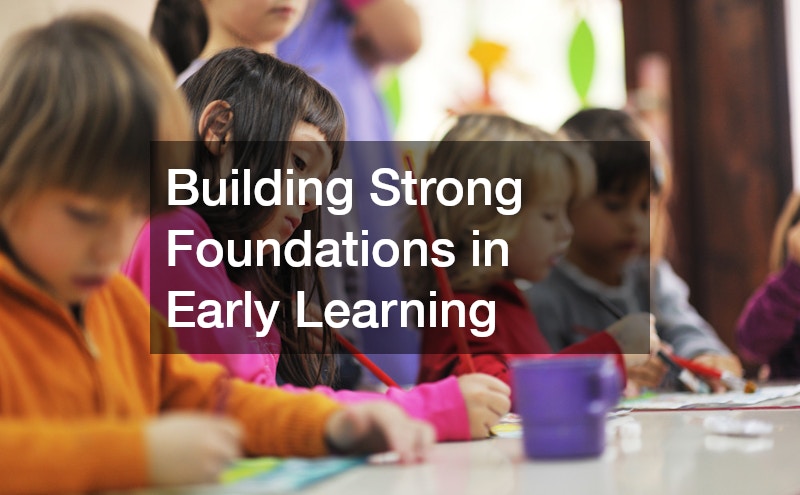
The years before kindergarten are often described as the most formative of a person’s life, and for good reason. A child’s brain develops at a remarkable pace during this window, forming the neural connections that will support language, reasoning, and social skills for decades to come. Parents who understand this often feel pressure to get everything right immediately, but the reality is that consistency and warmth matter far more than any single activity or program. Creating a nurturing atmosphere at home allows children to explore their world safely, laying down essential cognitive building blocks without undue stress.
Choosing the Right Early Environment
Selecting a preschool is often one of the first major educational decisions a family makes, and it can feel surprisingly high-stakes. A good preschool does more than keep children occupied; it introduces structure, social interaction, and the earliest building blocks of literacy and numeracy. When touring programs, consider asking about the following:
-
Staff-to-child ratios and how much individual attention your child will receive
-
The balance between structured lessons and free, imaginative play
-
How the program handles transitions, naps, and emotional regulation
-
Whether the curriculum includes outdoor time and physical movement daily
-
How teachers communicate progress and concerns to families
A thoughtful preschool experience sets a tone that can carry through the rest of a child’s academic life, making the search worth the extra time and effort.
Supporting Growth Beyond the Classroom
Formal schooling is only one piece of the puzzle when it comes to children’s development during these early years. What happens at home, in the car, and during everyday routines shapes a child just as much as anything that happens in a classroom. Reading together every night, narrating daily tasks, and allowing children to solve small problems on their own all contribute to cognitive and emotional growth. Parents do not need elaborate programs or expensive materials to support this process; consistency, patience, and genuine engagement tend to matter far more than any specific tool or gadget.
Exploring Specialized and Alternative Education Paths

As children grow, many families begin exploring options beyond the neighborhood public school. This might mean looking into language immersion, smaller class sizes, or a particular educational philosophy that resonates with the family’s values. There is no universally right answer here, but understanding the landscape of choices can help parents make a decision that fits their child’s personality and learning style. Taking the time to evaluate alternative paths empowers parents to match unique academic environments directly with their child’s individual strengths and social preferences.
Weighing Language Immersion Programs
For families interested in bilingual education, French schools have become an increasingly popular option in many cities, offering rigorous academics alongside full language immersion from an early age. These programs can be an excellent fit for children who thrive with structure and enjoy the challenge of learning in more than one language simultaneously. Before enrolling, parents should consider a few practical points:
-
Ask how the school supports children who are new to the language, especially in the first year
-
Look into whether the curriculum leads to internationally recognized diplomas or exams
-
Consider the long-term commitment required, since switching languages mid-education can be disruptive
-
Talk to current families about their experience with homework support and communication
Evaluating Smaller, Independent Options
Beyond language-focused programs, many parents also look into independent schools that operate outside the public system and often offer smaller class sizes, specialized teaching methods, or a particular academic focus. These schools can range widely in philosophy, from arts-centered curricula to STEM-heavy programs, so it is worth visiting several and asking pointed questions about class size, teacher turnover, and how the school measures student progress. Cost is often a significant factor as well, and families should factor in not just tuition but also fees for uniforms, supplies, and extracurricular activities before committing to a particular path.
Keeping Health and Wellness on Track
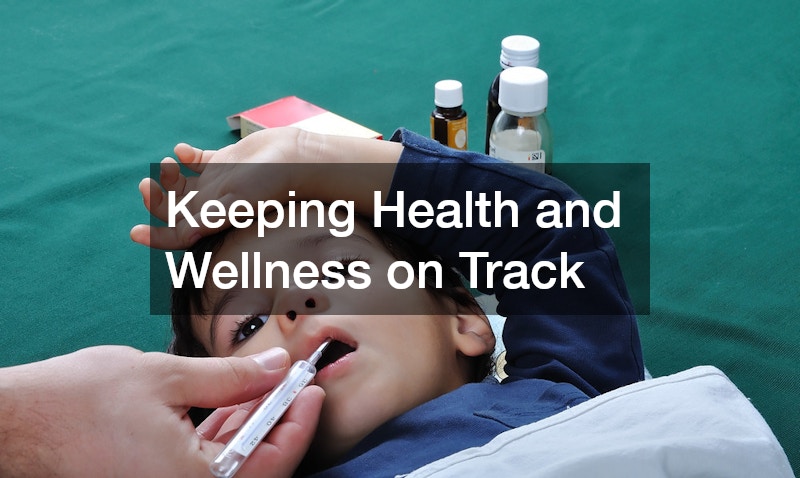
Academic planning tends to get most of the attention in parenting conversations, but physical health runs alongside it as an equally important thread. Children get sick, injure themselves during play, and need routine checkups, and having a plan in place before an emergency happens can save parents a great deal of stress. Maintaining routine checkups ensures early intervention for physical or developmental issues, keeping kids energized, comfortable, and fully focused on learning.
Handling Unexpected Medical Needs
Every parent eventually faces a moment when their child needs medical attention outside of regular office hours, whether it is a high fever on a weekend or a fall on the playground that looks like it might need stitches. Knowing where to turn matters. A pediatric urgent care center staffed with providers experienced in treating children can be a far better option than a general emergency room for non-life-threatening situations, often with shorter wait times and an environment better suited to young patients. It is worth researching nearby options before you actually need one, so you are not searching frantically in the middle of a stressful moment. Keep the address, hours, and phone number saved somewhere easy to find, such as in your phone or on the family calendar.
Prioritizing Oral Health Early
Dental care is another area that benefits enormously from starting early rather than waiting until a problem appears. Establishing a relationship with a family dentist while children are still young helps normalize routine checkups and reduces anxiety around dental visits later in life. Regular cleanings, early detection of cavities, and guidance on healthy habits like limiting sugary snacks all contribute to better outcomes down the road. Many practices are specifically designed to work with patients of all ages, meaning the whole family can be seen in one place, which simplifies scheduling and builds continuity of care over the years.
Supporting Your Child’s Smile Through the Years

As children move into their school-age years and beyond, dental needs often become more complex, particularly as adult teeth come in and orthodontic questions start to arise. Being proactive about this stage of development can prevent more involved treatment later.
Understanding Orthodontic Options
Many parents are surprised at how early orthodontic evaluations are now recommended, often around age seven, well before all the baby teeth have even fallen out. Early evaluation allows dentists to catch issues with jaw alignment or crowding before they become more difficult to correct. For older children and teenagers, a clear aligner system has become a popular alternative to traditional metal braces, offering a more discreet option that many self-conscious adolescents prefer. These systems require consistent wear and good compliance to work effectively, so it is worth having an honest conversation with your child about responsibility before committing to this route.
Building a Long-Term Dental Relationship
Choosing the right dental office is about more than convenience; it is about finding a place where your child feels comfortable enough to be honest about pain or anxiety, and where the staff takes time to explain procedures in age-appropriate language. Some practical things to look for include:
-
A waiting area and treatment rooms designed with children in mind
-
Staff who take time to explain procedures before starting any work
-
Flexible scheduling that accommodates school hours and after-school activities
-
Clear communication about costs, insurance coverage, and payment plans
A positive early relationship with dental care often translates into better lifelong habits and less resistance to necessary treatment as children grow older.
Streamlining School Communication and Organization
As children progress through multiple years of schooling, the sheer volume of paperwork, permission slips, grades, and communication from teachers can become overwhelming for even the most organized parent. Fortunately, many schools have moved toward digital systems that make this easier to manage.
Leveraging Technology for Better Tracking
Modern education management software has transformed how schools communicate with families, allowing parents to check grades, attendance, homework assignments, and even cafeteria balances from a single dashboard. These platforms often send automatic notifications when a grade drops, an assignment is missing, or a payment is due, which helps parents stay on top of their child’s academic life without needing to constantly check in with teachers directly. If your child’s school offers a parent portal, it is worth taking the time early in the year to set up notifications and familiarize yourself with the interface, since this small investment of time can save considerable stress later when deadlines and events start piling up. Digital calendar integration also helps coordinate household schedules effortlessly.
Preparing for the College Journey
The final stretch of a child’s pre-college education often feels like the highest-pressure phase, and in many ways it is. Decisions made in middle and high school can genuinely influence the options available later, which makes thoughtful, early planning especially valuable.
Starting Test Prep Early
Standardized testing remains a significant part of the college admissions process for many students, and preparation for it should not be left until the last minute. Structured sat test prep, whether through a class, tutor, or self-guided study plan, tends to produce stronger results when it begins well before junior year rather than being crammed into a few months. Consider the following approach when building a study plan:
-
Take a practice test early to identify specific areas of weakness
-
Set a realistic, spaced-out schedule rather than cramming close to test dates
-
Mix timed practice sections with untimed review of missed questions
-
Revisit weaker subject areas repeatedly rather than only reviewing strengths once
-
Plan for at least one retake opportunity in case the first score is lower than hoped
Building a Balanced Timeline
Beyond test scores, college readiness involves building a transcript that reflects genuine interests and sustained effort rather than a scattered list of activities chosen purely to impress admissions officers. Encourage your teenager to pursue a handful of activities they genuinely care about and stick with them over multiple years, since depth tends to matter more than breadth in the eyes of most admissions committees. Equally important is maintaining open communication about stress levels during this period, since the pressure of grades, applications, and extracurricular commitments can weigh heavily on teenagers even when they do not say so directly.
Guiding a child from their first wobbly steps into a preschool classroom all the way to the moment they head off to college is a journey that unfolds gradually, one decision at a time. No parent gets every choice right, and that is entirely normal; what matters far more is staying engaged, asking good questions, and adjusting course as your child’s needs change over time. By paying attention to the academic environment, physical well-being, organizational systems, and long-term planning at each stage, families can move through this journey with far more confidence and far less last-minute scrambling. The path is rarely a straight line, but with steady attention and a willingness to learn along the way, most families find that they are more capable of handling each new phase than they initially believed. Remember that your support and presence remain the constant foundation your child relies on through every transition. Ultimately, trust the strong framework you have built together, knowing it will carry them successfully into young adulthood.