

Bringing a pet into your family is one of the most rewarding decisions you can make. From the joyful greeting at the front door to the quiet companionship during a movie night, dogs and cats quickly become cherished members of the household. However, welcoming a four-legged friend also comes with a significant commitment. Responsible pet ownership goes far beyond filling a food bowl and tossing a tennis ball in the backyard. It requires careful planning, ongoing education, financial preparation, and a deep understanding of your animal’s physical and emotional needs.
For families navigating the ups and downs of pet care, having a clear roadmap makes all the difference. Whether you are adopting your very first puppy, welcoming a senior rescue cat, or simply looking to elevate the routine for your longtime companion, considering every facet of their well-being ensures a happier, healthier life for everyone under your roof.
Establishing a Strong Foundation for Pet Health

Preventive healthcare is the cornerstone of a long and vibrant life for any companion animal. Many families wait until a pet shows obvious signs of illness before seeking professional help, yet animals are masters at hiding discomfort. By establishing a proactive medical routine early on, you can catch subtle health changes before they escalate into serious emergencies.
Schedule Routine Wellness Checkups Early
Building a relationship with a trusted medical provider before an emergency happens gives your family peace of mind and establishes a baseline for your pet’s normal health. During an initial visit, a practitioner will perform a thorough nose-to-tail examination, discuss vaccination schedules, and recommend parasite prevention tailored to your region.
- Create a Medical Binder: Keep physical and digital copies of all vaccination records, microchip numbers, spay or neuter certificates, and laboratory results in one accessible spot.
- Establish a Baseline: Annual or bi-annual exams allow professionals to track subtle shifts in weight, dental health, heart rate, and joint mobility over time.
- Ask About Breed-Specific Risks: Different breeds are predisposed to distinct genetic conditions, such as hip dysplasia in larger dogs or respiratory challenges in flat-faced breeds.
- Maintain Parasite Prevention: Year-round protection against fleas, ticks, and heartworms is essential even for indoor pets, as pests can easily hitch a ride inside on clothing or shoes.
Choosing a local veterinarian who communicates clearly and makes your animal feel comfortable can transform stressful visits into positive experiences. Look for a practice where the staff takes time to answer your family’s questions without rushing and offers gentle handling techniques that minimize anxiety.
Prepare for Urgent Medical Situations
Even the most carefully supervised pets can experience sudden illnesses, accidental ingestions, or unexpected injuries. Knowing where to turn when time is of the essence prevents panic and ensures your pet receives prompt attention.
- Assemble a Pet First-Aid Kit: Stock a dedicated container with sterile gauze pads, self-adhering bandage wrap, digital thermometer, saline eye wash, tweezers, styptic powder, and hydrogen peroxide (to be used only under professional direction).
- Post Emergency Contacts: Keep the phone numbers and addresses for your primary veterinary clinic and the nearest 24-hour emergency facility on your refrigerator and saved in every family member’s phone.
- Learn Basic Warning Signs: Familiarize everyone in the household with red-flag symptoms such as pale gums, labored breathing, repeated vomiting, sudden lethargy, or inability to urinate.
- Plan Transportation: Ensure you have a sturdy carrier for cats or small dogs and a secure harness or ramp for larger dogs in case they cannot walk on their own.
When a minor issue arises, such as a mild ear infection, sudden limping, or digestive upset, securing a same day vet appointment can prevent the problem from worsening overnight. Additionally, knowing the location and operating hours of a nearby local animal hospital ensures that if a major trauma or after-hours crisis occurs, your family is ready to act without losing precious minutes searching for directions.
Nutrition and Daily Hydration Essentials

What goes into your pet’s bowl directly fuels their energy, immune system, coat quality, and longevity. With thousands of commercial diets, raw food trends, and homemade recipes lining store shelves and social media feeds, choosing the right nutrition can feel overwhelming for busy parents.
Select High-Quality, Life-Stage Appropriate Food
Nutritional requirements shift dramatically as an animal grows from a energetic juvenile into an adult and eventually enters their golden years. Feeding a diet formulated specifically for their current life stage supports proper bone development, organ function, and metabolic health.
- Read Ingredient Labels Carefully: Look for named animal proteins (such as chicken, salmon, or lamb) listed as the primary ingredients rather than vague meat by-products or excessive fillers.
- Verify Nutritional Adequacy: Check packaging for a statement confirming the food meets established nutritional profiles for growth, maintenance, or all life stages.
- Transition Slowly: Whenever switching brands or formulas, mix increasing amounts of the new food with the old diet over seven to ten days to prevent gastrointestinal upset.
- Monitor Portion Sizes: Use an actual measuring cup or kitchen scale rather than eyeballing scoops, as overfeeding is the leading cause of preventable pet obesity.
Keep Fresh Water Accessible and Manage Treats Wisely
Hydration is just as critical as solid nutrition, yet it is frequently overlooked in bustling households. Dogs and cats require constant access to clean water to regulate body temperature, aid digestion, and flush toxins through their kidneys.
- Refresh Bowls Daily: Wash water dishes with warm, soapy water every day to prevent slimy bacterial biofilm from building up on the surfaces.
- Offer Multiple Stations: In multi-story homes or multi-pet households, place water bowls in several quiet locations so timid animals never have to compete for a drink.
- Follow the Ten Percent Rule: Treats used for training or affection should make up no more than ten percent of your pet’s daily caloric intake.
- Avoid Toxic Human Foods: Educate children and guests never to share chocolate, grapes, raisins, onions, garlic, macadamia nuts, or anything sweetened with xylitol.
Creating a Safe and Enriching Home Environment

Your house is your pet’s entire world. Designing a living space that protects them from hidden hazards while stimulating their natural instincts will drastically reduce destructive behaviors and accidental injuries.
Pet-Proof Every Room Thoroughly
Just like toddlers, curious pets explore their surroundings with their mouths and paws. Taking a tour of your home from floor level helps you spot dangers that adults easily overlook.
- Secure Household Chemicals: Store cleaning supplies, laundry pods, antifreeze, fertilizers, and pest baits in locked cabinets or on high shelves out of reach.
- Hide Electrical Cords: Bundle loose charging cables and appliance wires inside protective cord covers to prevent chewing hazards and electrical shocks.
- Audit Indoor and Outdoor Plants: Remove toxic varieties such as lilies, sago palms, azaleas, tulips, and philodendrons, replacing them with pet-safe greenery like spider plants or Boston ferns.
- Contain Trash and Medications: Use trash cans with heavy, locking lids and never leave prescription bottles, vitamins, or over-the-counter pain relievers on nightstands or countertops.
Provide Mental Stimulation and Physical Outlets
A bored pet is an inventive pet, often channeling unused energy into chewed baseboards, shredded cushions, or excessive barking. Incorporating daily enrichment satisfies their mental curiosity and promotes calm behavior indoors.
- Rotate Toys Weekly: Keep a basket of toys tucked away and swap out a few items every week so old favorites feel brand new again.
- Use Puzzle Feeders: Replace standard bowls with snuffle mats, lick mats, or treat-dispensing balls that make your pet work for their meals.
- Create Cozy Retreats: Designate a quiet corner with an orthopedic bed or covered crate where your pet can rest undisturbed when household noise gets loud.
- Establish Consistent Exercise: Tailor daily walks, fetch sessions, or interactive wand-toy play to your animal’s breed, age, and energy level rather than relying solely on backyard time.
Grooming and Hygiene Habits for Every Season
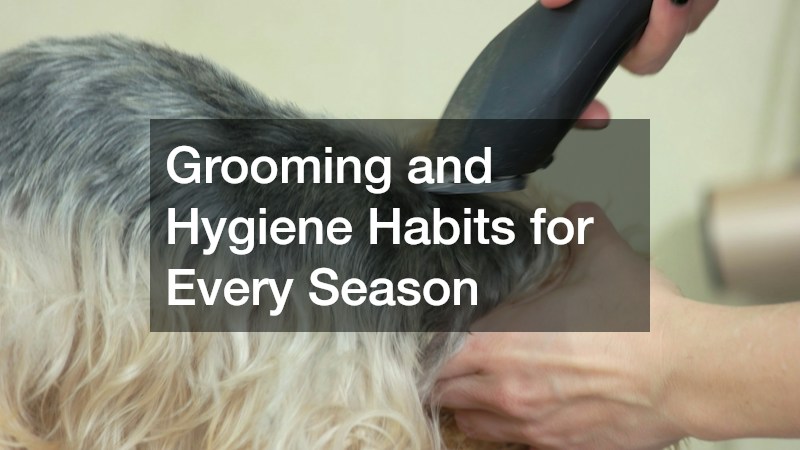
Regular grooming is about much more than keeping your pet looking cute for family photos. Routine coat, skin, nail, and dental care prevents painful infections and gives you an opportunity to check for unusual lumps, ticks, or skin irritations.
Maintain Coat, Nail, and Dental Routines
Establishing a calm, predictable grooming schedule from a young age teaches your pet to tolerate handling without fear or resistance.
- Brush Coats Regularly: Short-haired breeds benefit from weekly brushing to distribute natural skin oils, while long-haired or double-coated pets require brushing several times a week to prevent painful mats.
- Trim Nails Carefully: Overgrown nails alter a pet’s gait and can cause joint strain or painful splits; trim just the tips every few weeks or use a rotary grinder for smooth edges.
- Prioritize Dental Hygiene: Brush your pet’s teeth several times a week using enzymatic pet toothpaste, as periodontal disease can lead to tooth loss and systemic organ issues.
- Check Ears Weekly: Gently inspect ears for redness, wax buildup, or foul odors, wiping the outer flap with a veterinarian-approved cleanser after swimming or baths.
Know When to Seek Professional Grooming Help
While basic upkeep can happen in your bathroom or backyard, certain tasks require specialized tools, patience, and expertise. Heavy shedding seasons, matted fur, or wriggly pets can quickly turn home grooming into an exhausting chore for parents.
- Desensitize Early: Practice gently touching your pet’s paws, ears, and muzzle while offering praise and small treats so professional handlers can work safely.
- Watch Water Temperature: When washing your pet at home, use lukewarm water and tear-free, pH-balanced pet shampoo, as human shampoos strip essential oils and irritate sensitive skin.
- Dry Thoroughly: Damp undercoats can trap moisture against the skin and trigger painful hot spots or fungal infections.
For busy families or breeds with thick, high-maintenance coats, scheduling periodic appointments with professional dog bathing services ensures a deep clean, proper blow-drying, and thorough nail care without the mess in your own tub.
Socialization, Training, and Behavioral Wellness
A well-mannered pet is a joy to include in family outings, neighborhood strolls, and holiday gatherings. Training is not about dominance or strict control; rather, it is a shared language that builds trust, keeps your animal safe, and prevents common behavioral struggles.
Commit to Positive Reinforcement Training
Modern animal behavior science shows that rewarding desired behaviors produces faster, longer-lasting results than harsh corrections, which often create fear or defensive aggression.
- Keep Sessions Short: Practice cues like sit, stay, leave it, and recall for five to ten minutes at a time so your pet stays engaged and eager to learn.
- Involve the Whole Family: Ensure adults and older children use the exact same verbal cues and hand signals so your pet does not receive confusing mixed messages.
- Socialize Safely: Expose young pets gradually to different sights, sounds, surfaces, and friendly people while pairing every new experience with positive rewards.
- Address Unwanted Habits Early: Redirect puppy nipping onto appropriate chew toys and reward calm, four-paws-on-the-floor greetings before jumping becomes an ingrained habit.
Enrolling in structured dog training courses gives families a supportive environment to practice obedience around real-world distractions. If your pet struggles with specific challenges like leash reactivity, separation anxiety, or resource guarding, working one-on-one with experienced local dog trainers provides customized strategies tailored to your household dynamic.
Planning for Workdays, Vacations, and Busy Schedules
Modern family life is full of school drop-offs, full-time jobs, youth sports, and occasional travel. Planning ahead for how your pet will be cared for when your schedule gets hectic ensures they never feel neglected or anxious.
Arrange Reliable Daytime Care and Enrichment
Leaving an energetic dog alone for eight to ten hours every day can lead to loneliness, house-soiling accidents, and destructive chewing. Exploring daytime care options keeps your companion active and socialized while you focus on work or errands.
- Evaluate Facility Safety: Look for clean play areas, secure double-gated entries, attentive staff-to-dog ratios, and separate playgroups organized by size and temperament.
- Verify Health Requirements: Reputable facilities require proof of current vaccinations and negative fecal tests for all attendees to protect every animal on site.
- Schedule a Trial Visit: Most facilities offer a temperament assessment or half-day trial to ensure your pet enjoys group play rather than feeling overwhelmed.
For social pups who thrive on companionship, utilizing reputable dog daycare services provides structured exercise and mental stimulation during long workweeks. Touring a nearby dog day care center allows you to observe how staff members supervise interactions and ensure the environment matches your pet’s personality.
Prepare Thoughtfully for Family Travel
Whether you are planning a weekend road trip or an international vacation, arranging trustworthy overnight care well in advance saves last-minute stress.
- Book Reservations Early: Popular care providers fill up months ahead of major holidays and summer break, so reserve your dates as soon as your travel itinerary is confirmed.
- Pack Familiar Comforts: Send along your pet’s regular food pre-portioned in labeled bags, clear medication instructions, and an unwashed t-shirt that smells like home.
- Consider In-Home Alternatives: Older pets, cats, or anxious animals often do best with a trusted pet sitter who visits your home to maintain their familiar routine.
When overnight travel is on the calendar, researching accredited dog boarding facilities gives you confidence that your pet will receive attentive supervision, regular walks, and comfortable accommodations while you are away.
Budgeting for the Lifetime of Your Pet
Financial readiness is an essential part of responsible pet ownership that families sometimes underestimate. Beyond the initial adoption fee and starter supplies, ongoing costs accumulate steadily over ten to fifteen years or more.
Plan for Both Routine Expenses and Unexpected Emergencies
Creating a realistic pet budget prevents difficult financial choices down the road and allows you to focus entirely on your companion’s well-being.
- Calculate Monthly Fixed Costs: Factor in quality food, treats, waste bags or litter, parasite preventatives, grooming appointments, and routine wellness visits.
- Build a Dedicated Emergency Fund: Set aside a small amount each month in a separate savings account specifically earmarked for unexpected medical procedures or urgent care.
- Research Pet Insurance Early: Enrolling your pet in a comprehensive insurance policy while they are young and healthy locks in coverage before pre-existing conditions develop.
- Compare Wellness Plans: Some clinics offer monthly preventive care bundles that spread the cost of annual exams, vaccines, and dental cleanings into predictable payments.
Caring for a furry friend requires patience, consistency, and thoughtful preparation, yet the rewards are immeasurable. By prioritizing preventive healthcare, balanced nutrition, a safe home environment, regular grooming, positive training, and dependable care arrangements, your family sets the stage for years of tail wags, gentle purrs, and unforgettable memories. Every small daily effort deepens the bond you share, ensuring your beloved companion thrives as a happy, healthy member of your family for many years to come.