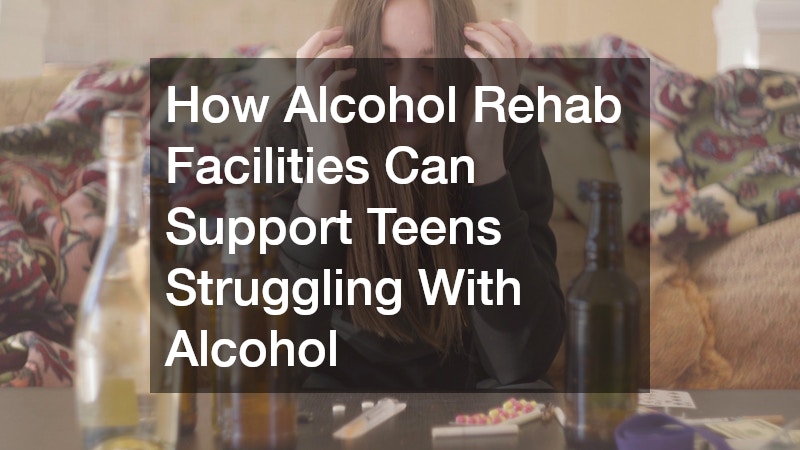
Alcohol use during the teen years can be concerning for parents, particularly when drinking becomes frequent, risky, or difficult to control. Parents may also be unsure when professional treatment is appropriate or what recovery support might look like for an adolescent. Alcohol rehab facilities can provide structured, age-appropriate care for teens experiencing problems with alcohol while helping families better understand how to support recovery. Treatment can be tailored to the teen’s needs and may address factors that influence alcohol use.
Recognizing When a Teen May Need Professional Support
Teen experimentation with alcohol and an ongoing pattern of problematic drinking are not necessarily the same thing. However, repeated or risky alcohol use may warrant a professional evaluation. Parents may notice changes in behavior, declining school performance, withdrawal from family activities, increased secrecy, mood changes, or problems connected to drinking.
These signs do not automatically mean that a teen has an alcohol use disorder. Parents should avoid attempting to diagnose their child themselves. Instead, concerns can be discussed with a qualified healthcare provider or addiction treatment professional who can evaluate the situation and recommend appropriate next steps.
Understanding the Signs of Problematic Alcohol Use
Warning signs can vary considerably from one teen to another. A single incident may not provide the same information as a pattern of changes occurring over time. Parents can pay attention to whether alcohol use appears to be affecting school, relationships, responsibilities, behavior, or emotional well-being.
Approaching these concerns without immediately resorting to blame or punishment can also help keep communication open. A calm conversation may make it easier for a teen to discuss what is happening and for parents to understand whether additional support may be necessary.
How Alcohol Rehab Facilities Address Teen Needs
Treatment for adolescents may differ from programs designed primarily for adults. Alcohol rehab facilities that work with teens may incorporate age-appropriate counseling, behavioral therapies, education, and peer support into treatment. These approaches can help adolescents develop healthier coping strategies and better understand the consequences of alcohol use.
Treatment may also explore circumstances that contribute to drinking. Stress, social pressure, family circumstances, emotional difficulties, and other challenges may influence a teen’s behavior. Understanding these factors can help professionals develop a treatment plan that addresses the individual rather than focusing solely on alcohol use.
An individualized approach is important because every teen’s circumstances are different. Professional assessments can help determine which services and level of care may be appropriate.
Creating a Supportive Treatment Environment
A structured treatment environment can provide consistency while a teen works on recovery skills. Regular schedules and planned activities may help adolescents establish healthier routines and dedicate time to treatment.
Connecting with peers who are experiencing similar challenges may also help teens feel less isolated. A supportive and nonjudgmental environment can encourage adolescents to participate in treatment and communicate more openly about their experiences.
The Role of Parents and Families in Recovery
Family involvement can be an important part of adolescent recovery. Depending on the program, families may participate in family therapy, educational sessions, or guided communication. These opportunities can help parents learn more about alcohol use and recovery while developing healthier ways to communicate with their teen.
Parents can provide encouragement while maintaining appropriate boundaries and expectations. Supporting a teen does not mean ignoring concerning behavior or removing every consequence. Instead, families can work toward creating a balance between compassion, accountability, and safety.
Alcohol rehab facilities may also provide families with guidance about how they can participate appropriately in the recovery process while respecting the teen’s treatment and privacy.
Talking With Your Teen About Treatment
Discussing treatment with a teen can be challenging. Parents may find it helpful to use calm, nonjudgmental language and give their child an opportunity to express concerns or fears. Listening can be just as important as explaining why treatment may be necessary.
Parents can also frame treatment as a source of support rather than simply a punishment or consequence. Explaining that professional care is intended to help a teen develop skills and address challenges may make the idea feel less intimidating.
Preparing for Recovery Beyond Rehab
Completing a treatment program is only one stage of the recovery process. Aftercare planning can help teens continue developing the skills they learned during treatment. Depending on their needs, ongoing counseling, support groups, school-based support, and community resources may become part of the next stage of care.
Parents can contribute by helping create a stable home environment that encourages healthy routines and continued recovery. This may involve supporting appointments, encouraging positive activities, and maintaining clear expectations.
Recovery can also involve challenges. Families should know when to encourage their teen to seek additional professional assistance rather than trying to manage significant concerns on their own. Continued communication with qualified professionals can help families respond when circumstances change.
Alcohol use can affect teens in different ways, and professional support may be appropriate when drinking becomes persistent, risky, or disruptive. Alcohol rehab facilities can provide structured treatment, individualized care, and opportunities for family involvement while helping adolescents develop healthier strategies for managing challenges.
Parents do not have to navigate concerns about teen alcohol use alone. If you are worried about your teen’s drinking, consider speaking with a qualified healthcare or addiction treatment professional to discuss the situation and learn about appropriate treatment options.