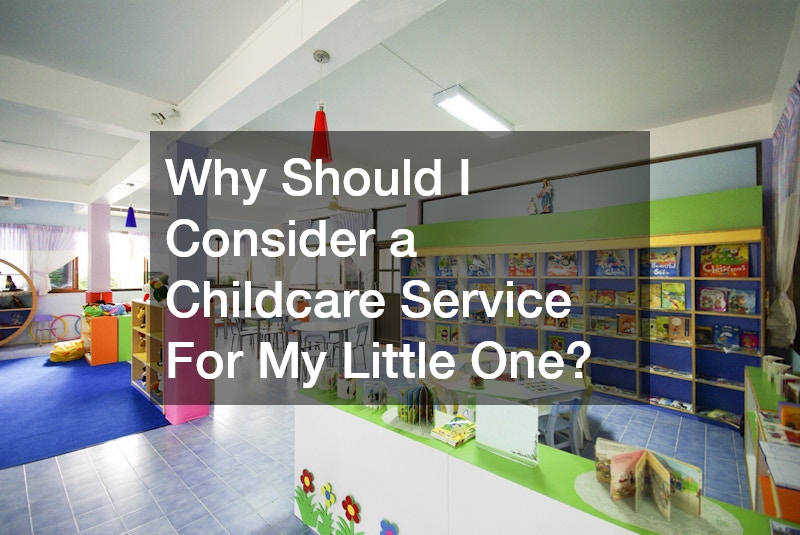
This article explores the reasons for considering a childcare service and answers common questions parents have when making this important decision.
What Are the Benefits of Childcare Services?
1. Social Interaction
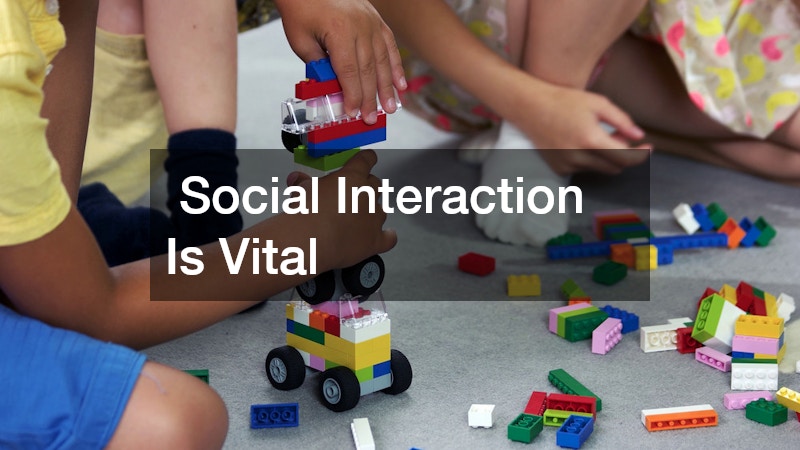
Childcare services provide an excellent opportunity for children to engage in social interaction, which is crucial for their development. Being around peers allows children to learn interpersonal skills such as sharing, cooperation, and communication.
These social experiences can significantly enhance a child’s confidence and self-esteem. Moreover, interacting with other children can introduce them to diverse cultures and perspectives, broadening their worldview. Social interaction in childcare settings also prepares children for future school environments where teamwork and collaboration are essential.
2. Routine and Structure
Childcare services establish a consistent routine and structure, which is beneficial for young children. A set daily routine helps children feel secure and understand expectations. Structured environments are known to aid in the development of self-discipline and time management skills from a young age. Such settings also assist in regulating behavior, as children understand the order and flow of their activities throughout the day. Routine and structure in childcare can mirror what will be expected in formal schooling, making transitions smoother.
3. Educational Activities
Early childhood educators in childcare services often design educational activities that stimulate children’s curiosity and love for learning. These activities are tailored to the children’s developmental stages, ensuring they receive challenging yet achievable tasks. Engaging in these activities helps children develop cognitive skills, such as problem-solving and critical thinking. Additionally, educational activities often incorporate play, which is a natural way for children to learn concepts of mathematics, language, and science. By fostering a fun learning environment, childcare can ignite a lifelong passion for learning in young children.
4. Developmental Milestones
Childcare services play a crucial role in helping children achieve developmental milestones. Caregivers are trained to recognize and support progress in areas like motor skills, language acquisition, and emotional regulation. By tracking these milestones, parents can be reassured that their child’s growth aligns with typical developmental patterns. Caregivers often work closely with parents, providing feedback and suggestions to further support the child’s development at home. This joint effort ensures a comprehensive approach to facilitating a child’s potential.
5. Parent Support and Resources
Parents benefit from the support and resources offered by childcare services. Many centers provide workshops, counseling, and parenting classes that help parents navigate the challenges of raising young children. These resources can empower parents with knowledge on topics such as nutrition, health, and early childhood development. Additionally, forming connections with other parents through childcare services can create a support network for sharing advice and experiences. This communal aspect of childcare enhances the overall family experience, contributing positively to the parent’s journey.
How Can I Choose the Right Childcare Service?
1. Assessing Accreditation and Licensing
Accreditation and licensing are critical factors when choosing the right childcare service. An accredited center complies with high standards set by national and state organizations, ensuring quality care and education. Checking accreditation provides parents with peace of mind, knowing that the service is inspected regularly and meets essential criteria. Licensing, on the other hand, ensures the basic legal requirements are met, including health and safety regulations. Together, these credentials serve as a testament to the center’s commitment to excellence.
2. Visiting and Interviewing Centers
Visiting and interviewing potential childcare centers is a vital step in the selection process. Observing the environment firsthand allows parents to assess the cleanliness, safety, and quality of interactions within the center. Conversations with staff provide insight into their teaching philosophy, discipline methods, and daily operations. Parents can ask specific questions about the center’s policies and observe how staff engage with children. These visits and interviews help in making an informed decision based on both intuition and observable facts.
3. Evaluating Safety and Cleanliness
Safety and cleanliness are top priorities that every parent should evaluate in a childcare setting. It’s important to ensure that the center adheres to strict hygiene practices to prevent the spread of illness. Safety protocols should be in place for emergencies, and materials used in the center should be non-toxic and child-friendly. A clean environment not only keeps children healthy but also promotes a positive learning experience. These factors collectively reflect the center’s dedication to creating a nurturing and secure space for children.
4. Understanding the Curriculum
The curriculum at a childcare center is a blueprint for the activities and learning children will experience. An effective curriculum incorporates various educational theories and practices, catering to all aspects of a child’s development. Parents should inquire about the types of activities offered and how they align with developmental goals. Understanding the curriculum helps parents ensure it matches their expectations for their child’s growth and learning. A well-rounded curriculum guarantees a balanced approach to education, encompassing both academic and creative disciplines.
5. Considering Staff Qualifications
Staff qualifications are an indicator of the quality of care and education provided at a childcare center. Qualified staff possess the necessary skills and experience to address the diverse needs of children. Parents should verify that the staff meet the state and national educational requirements for early childhood educators. A team of educated, trained, and caring professionals is essential for fostering a positive atmosphere and effective learning environment. Moreover, regular professional development for staff ensures they are updated with the latest educational trends and techniques.
What Costs Are Associated with Childcare Services?
1. Tuition and Fees
When considering childcare services, understanding the tuition and associated fees is crucial. Tuition typically covers basic care, educational activities, and facility amenities. However, additional fees might include registration, material costs, and special program charges. Parents should budget for all these expenses to avoid surprises and ensure affordability over the long term. Transparency in cost structures allows parents to make an informed decision that aligns with their financial capacity.
2. Additional Costs
Beyond tuition, additional costs can include field trips, extracurricular activities, and meals offered at the childcare center. Some centers might charge for late pick-ups or require contributions to special events or fundraisers. It is important for parents to inquire upfront about all potential charges to manage their budget effectively. Understanding these costs helps parents assess the overall value provided by the childcare service. By evaluating both standard and extra expenses, parents can determine if the service fits within their financial planning.
3. Payment Plans and Options
Flexible payment plans and options can ease the financial burden of childcare expenses. Many centers offer monthly, quarterly, and annual payment schedules to suit different budgeting needs. Some facilities also accept credit cards or electronic payments, making transactions more convenient. Discussing payment options allows parents to make arrangements that best fit their financial situation. Flexibility in payments can be a deciding factor for many families when choosing a childcare service.
4. Childcare Subsidies and Assistance
Numerous childcare subsidies and assistance programs are available to help families afford high-quality care. Government and organizational programs offer financial aid to eligible families based on income and need. Parents should investigate these options to potentially reduce their childcare expenses. Obtaining subsidies can bridge the gap between family resources and the cost of care, enabling access to premium services. Families may find these programs critical in making childcare economically viable while ensuring quality for their children.
5. Value for Investment
While childcare services can be an expensive investment, the value they offer justifies the cost. The benefits of structured learning, social interaction, and professional caregiver supervision provide priceless contributions to a child’s development. Evaluating the long-term advantages, such as improved readiness for school and enhanced life skills, highlights the true worth of the investment. Parents should consider the overall return on investment in terms of their child’s happiness, security, and growth. Making a well-informed choice can yield dividends in the form of a well-rounded and secure child.
How Do I Transition My Child to a Childcare Service?
1. Preparing Your Child
Preparation is key to ensuring a smooth transition into childcare for both you and your child. Familiarizing your child with the new environment can alleviate anxiety and build anticipation. You can establish a consistent morning routine before starting childcare to simulate the structure they will experience. Reading books about starting childcare or visiting the center a few times before officially starting can also be beneficial. These preparatory steps can help your child adjust more easily to the new surroundings and expectations.
2. Gradual Introduction
A gradual introduction to childcare services can help mitigate separation anxiety. Starting with shorter days and gradually increasing the length as the child becomes accustomed can ease the transition. This approach allows the child to build trust with caregivers and become familiar with the daily routine. It can also provide parents the opportunity to adjust emotionally to the change. A progressive introduction can foster a positive relationship between the child, caregivers, and the new environment.
3. Communicating with Caregivers
Effective communication with caregivers is essential during the transition period. Sharing information about your child’s habits, preferences, and temperament can help caregivers provide better support. Regular updates from caregivers can reassure parents and provide insights into their child’s adaptation process. Open communication establishes a collaborative relationship, improving the overall childcare experience. This interaction ensures continuity between the childcare center and home environments, reinforcing a child’s development.
4. Monitoring Adjustment
Monitoring your child’s adjustment is crucial to ensure they thrive in the new setting. Observing changes in behavior or communication can provide indicators of how the adaptation process is unfolding. It’s important to maintain an open dialogue with your child about their feelings and experiences at the center. Reassessing the choice of childcare if issues persist can be necessary for the child’s wellbeing. Monitoring helps identify areas where additional support may be needed and facilitates timely intervention.
5. Addressing Separation Anxiety
Separation anxiety is a common challenge when transitioning children into childcare, but strategies can help alleviate it. Gradual separations, comfort objects, and consistent positive goodbye rituals can ease anxiety. Caregivers can reinforce a child’s sense of security and attachment during this period. Parents should remain calm and positive, as children often pick up on their emotions. Addressing separation anxiety effectively ensures the child associates childcare with positive experiences.
Are Childcare Services Safe for My Child?
1. Safety Protocols and Policies
Ensuring the safety of children is paramount in any childcare setting. Comprehensive safety protocols and policies such as secure entry systems, CCTV monitoring, and regular emergency drills are standard practices. These measures ensure that both parents and children can trust the center’s commitment to safety. Childcare centers should also comply with all local health and safety regulations, providing reassurance to parents. Safety policies are regularly reviewed and updated to align with best practices and legal requirements.
2. Emergency Preparedness
Childcare centers have detailed emergency preparedness plans to address potential crises. These include procedures for fire drills, natural disasters, medical emergencies, and lock-down situations. Staff receive thorough training to execute these plans effectively while ensuring the safety of all children. Parents can inquire about these protocols to understand how caregivers handle emergencies. Preparedness instills confidence in parents and assures them of their child’s well-being under any circumstances.
3. Health and Hygiene Standards
Maintaining high health and hygiene standards is crucial in preventing the spread of illness in childcare settings. Centers often implement regular handwashing routines, sanitize toys and surfaces, and require vaccinations for children and staff. Adhering to rigorous health protocols helps create a safe environment conducive to learning and play. Parents are encouraged to inquire about the center’s illness policies to ensure alignment with their expectations. These standards protect the health of all children and staff, reinforcing the overall safety and wellbeing of the childcare community.
4. Staff Training and Background Checks
Caregiver qualification is a key component of a safe childcare service. Staff undergo comprehensive training on child safety, CPR, and first aid to manage emergencies effectively. Centers also conduct thorough background checks to ensure the trustworthiness of employees. Parents can feel secure knowing that staff have the expertise and integrity needed to care for their children. These checks and training programs reflect the center’s commitment to a secure and nurturing environment.
5. Incident Reporting and Feedback Mechanisms
A transparent incident reporting and feedback mechanism is indicative of a reliable childcare service. Parents should be informed promptly of any concerns or incidents involving their child and have the opportunity to provide feedback. Constructive feedback channels allow parents to share their experiences and suggest improvements without hesitation. Open communication between parents and caregivers fosters trust and continuity of care. An effective feedback system ensures that issues are addressed promptly, improving overall care quality.
In conclusion, selecting a childcare service involves careful consideration of various factors to ensure your child’s wellbeing and development. It is an investment in their future and can provide numerous benefits for both children and parents.